
February 03, 2026
Soltys came to light therapy through her work with fitness clients, where she observed firsthand how the right conditions could dramatically improve recovery outcomes. Her approach reflects a broader shift in how practitioners think about therapeutic light-from novelty treatment to evidence-based modality with specific parameters that determine success or failure.
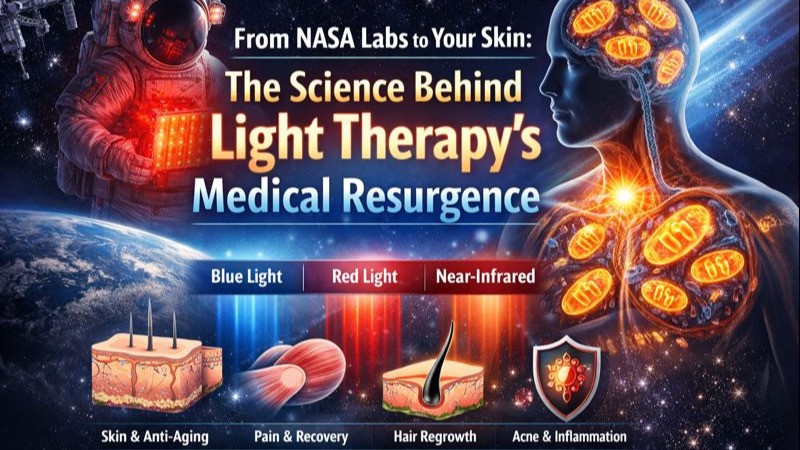
The therapeutic effect hinges on mitochondria. When light at specific wavelengths-typically 630-660 nanometers (red) or 810-850 nanometers (near-infrared)-reaches cells, it increases production of adenosine triphosphate (ATP), the molecule that powers cellular processes. This accelerates the body's transition from inflammation to recovery.
Different wavelengths serve different purposes. Blue light (415-450 nm) penetrates only one to two millimeters and targets surface bacteria. Red light reaches two to five millimeters, stimulating collagen and elastin production in the dermis. Near-infrared penetrates deepest-up to five centimeters-affecting muscles, joints, and bones.
"Multiple spectra shorten treatment times," Soltys explains. "Blue works with microflora on the surface while red and infrared stimulate regeneration in deeper layers."
Clinical applications have moved well beyond cosmetic promises. Soltys identifies four areas where research validates therapeutic use:
Skin texture and aging. Red-spectrum light stimulates fibroblasts, the cells responsible for collagen production. The result is measurable improvement in wrinkles and skin texture-without the ceiling that topical products hit when they can only reach the epidermis.
Inflammation and acne. By reaching the deeper zones where acne forms, red and near-infrared light accelerates tissue regeneration while reducing swelling.
Hair regrowth. Light stimulation of dormant follicles represents one of the few non-invasive methods shown to reactivate hair growth and affect density.
Body contouring. Light increases permeability of fat cell membranes, accelerating metabolism. Combined with lymphatic drainage, this produces measurable contour changes.
The most common requests Soltys encounters in her professional community: slow recovery after exertion, chronic fatigue, post-workout muscle tension, and skin quality concerns including tone, texture, and post-inflammatory marks.
The market is flooded with devices that look therapeutic but lack the specifications for cellular regeneration. Soltys evaluates equipment against six criteria:
Wavelength precision. Therapeutic effect requires narrow bands: 630-660 nm or 810-850 nm. Devices emitting a blurred range (600-900 nm) disperse energy without activating cellular receptors. "You get warm light with nothing to do with regeneration," she says.
Stable, flicker-free output. Poor power supplies cause LEDs to flicker-sometimes imperceptibly-creating eye strain and compromising treatment consistency.
Focused light delivery. Medical-grade LEDs use lenses to narrow the beam for deeper tissue penetration. Cheap panels let the spectrum drift, reducing receptor activation.
Adequate energy density. Higher density means deeper penetration and shorter sessions (10-15 minutes versus ineffective longer exposures at low power).
Low electromagnetic interference. Some therapeutic lamps generate so much electronic noise that it negates the light's benefit. Quality equipment uses shielded power supplies.
Active cooling. Without proper thermal management, LEDs overheat and their wavelength shifts-sometimes out of the therapeutic range entirely.
For practitioners integrating light therapy, Soltys recommends:
The technology's growing popularity has created a parallel problem: cheap imitations and misapplication. Consumers confuse decorative LED products with therapeutic devices, which erodes trust in the entire category.
Soltys sees the field moving toward precision and personalization-better protocols, wavelength selection tailored to specific conditions, and appropriate power for applications ranging from sports injury recovery to neurorehabilitation. "The number of specialists who understand the physics is growing," she notes. "Light therapy is becoming more accessible, and that's an excellent trend."
But she cautions against shortcuts. "The body recovers gradually. Changes in tissue structure are always cumulative. I never promise instant treatment in 10 minutes, and I don't advise believing anyone who does."
WITI convenes leaders across technology, medicine, and innovation to share expertise that shapes how we work and live.
Opinions expressed by the author are not necessarily those of WITI.
Are you interested in boosting your career, personal development, networking, and giving back? If so, WITI is the place for you! Become a WITI Member and receive exclusive access to attend our WITI members-only events, webinars, online coaching circles, find mentorship opportunities (become a mentor; find a mentor), and more!
Founded in 1989, WITI (Women in Technology International) is committed to empowering innovators, inspiring future generations and building inclusive cultures, worldwide. WITI is redefining the way women and men collaborate to drive innovation and business growth and is helping corporate partners create and foster gender inclusive cultures. A leading authority of women in technology and business, WITI has been advocating and recognizing women's contributions in the industry for more than 30 years.
The organization delivers leading edge programs and platforms for individuals and companies -- designed to empower professionals, boost competitiveness and cultivate partnerships, globally. WITI’s ecosystem includes more than a million professionals, 60 networks and 300 partners, worldwide.
Empower Innovators.
Inspire Future Generations.
Build Inclusive Cultures.
Building Your Network.
Building Your Brand.
Advancing Your Career.
© 1989-2026 WITI. All rights reserved.
Comments